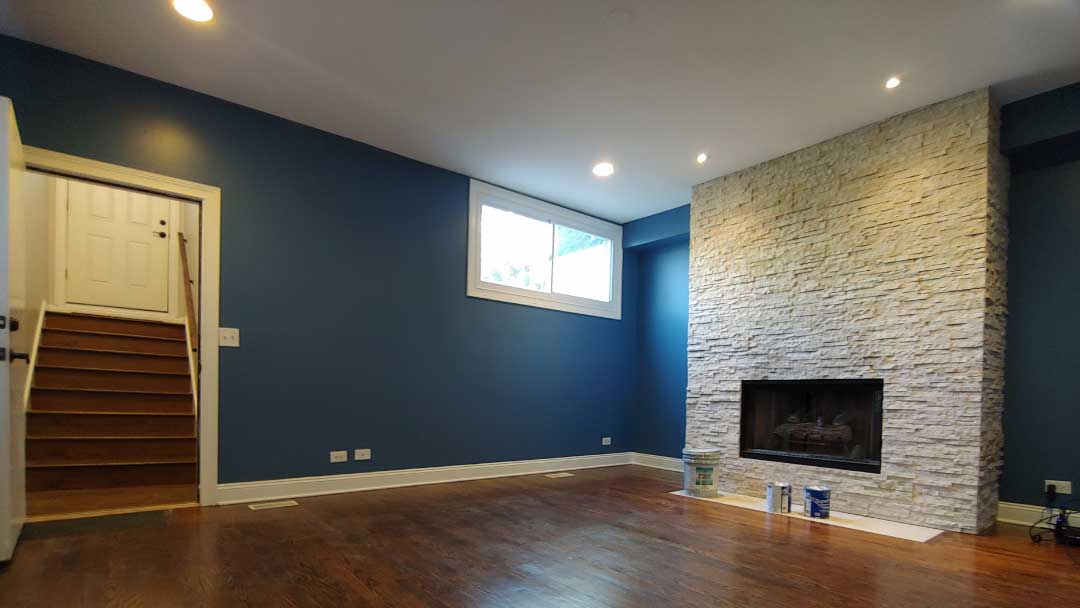
A painting project for both the interior and exterior of a house involves several key steps to achieve a refreshed and polished appearance. Here’s a summary of the work involved:
Interior Painting:
- Preparation:
- Remove furniture or cover it with drop cloths.
- Mask off trim, windows, and doors to avoid accidental paint splashes.
- Fill in cracks and holes in the walls, then sand smooth.
- Clean the walls to remove dirt, dust, and grease.
- Priming:
- Apply a coat of primer to ensure better paint adhesion, especially on new or patched walls.
- Painting:
- Use high-quality paints and tools such as brushes, rollers, and sprayers.
- Apply one or more coats of paint, ensuring even coverage and a smooth finish.
- Consider using different finishes (matte, satin, or glossy) depending on the room’s function and aesthetic.
- Finishing Touches:
- Touch up any areas that need attention.
- Clean up the space, remove masking, and replace furniture.
Exterior Painting:
- Preparation:
- Power wash the exterior to remove dirt, mildew, and old peeling paint.
- Scrape off flaking or loose paint, sand rough areas, and fill gaps or cracks.
- Mask off windows, doors, and any fixtures to prevent overspray.
- Priming:
- Apply primer to ensure paint sticks well, especially on raw or weathered surfaces.
- Painting:
- Use exterior-grade paint designed to withstand outdoor elements.
- Apply paint using a brush, roller, or sprayer, working in sections.
- Ensure thorough coverage, particularly on trim, siding, and other exposed surfaces.
- Final Inspection and Clean-Up:
- Inspect for any missed spots or uneven areas and retouch if necessary.
- Clean brushes and tools, and remove any protective coverings.
The process for both interior and exterior painting requires attention to detail, proper materials, and a clean work environment to ensure long-lasting and aesthetically pleasing results.
continue reading